

How to Understand Fast English Speech
Native speakers talk fast. This guide breaks down the techniques for training your brain to catch rapid speech patterns and improve comprehension of natural conversation speed.
Read MoreTrain your ear to understand real Canadian English with authentic podcasts, dialogue resources, and listening exercises designed for learners at every level.
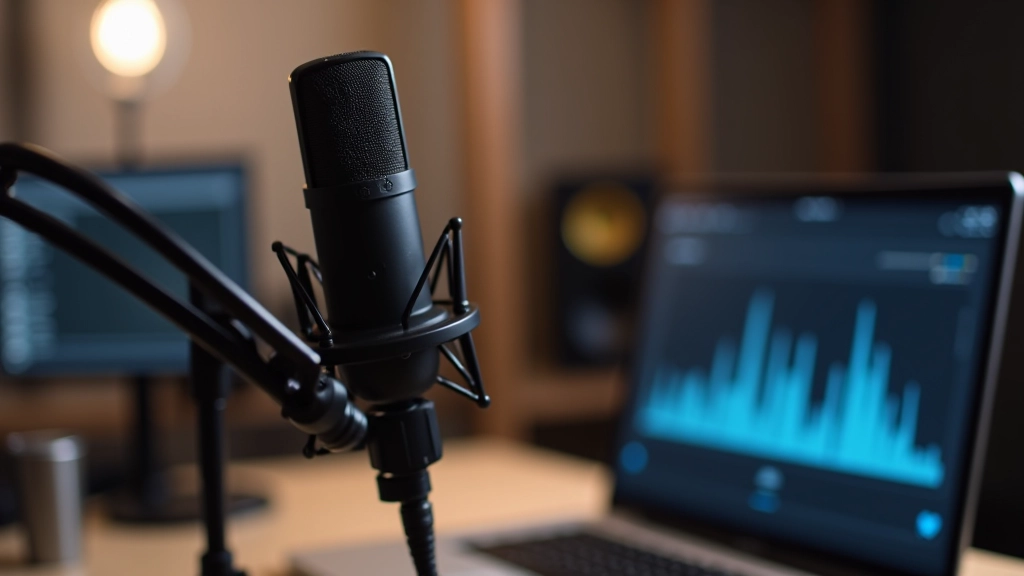
Most English learners study textbook examples that don’t sound like actual conversations. Canadian English has its own rhythm, expressions, and accent patterns that you won’t find in standard classroom materials. When you’re listening to real podcasts from Canada, you’re training your brain to recognize how people actually talk — with interruptions, casual phrasing, and the subtle differences that native speakers use every day.
The good news? You don’t need to spend money on expensive courses. There are fantastic free and affordable resources available right now that’ll help you develop genuine listening comprehension. You’ll learn idioms, catch cultural references, and understand conversational speed naturally.

These shows feature native Canadian speakers discussing real topics at natural speed.
Canadian comedians and podcast hosts create some of the most engaging listening material. Shows like “Stuff You Should Know” (hosted by Josh and Chuck) dive deep into fascinating topics with genuine chemistry and natural banter. You’ll hear how they ask follow-up questions, correct themselves mid-sentence, and use filler words like native speakers actually do.
Another excellent choice is “Stuff Mom Never Told You,” which explores history and culture through accessible storytelling. The hosts speak clearly without being artificially slow, making it perfect for intermediate learners. You’re hearing real production quality with minimal editing, so the dialogue flows naturally.
CBC Radio produces several high-quality news podcasts. “The Daily” from The New York Times is also popular with Canadian audiences and features clear reporting on global events. These shows are excellent because journalists speak at a deliberate pace while still sounding natural — it’s not dumbed down for learners, but it’s professional and articulate.

Structured platforms that provide transcripts, exercises, and guided learning.

YouTube is packed with Canadian English learning channels. Many feature actual conversations, interviews, and unscripted dialogue. The advantage here is that you can see facial expressions and body language, which really helps with comprehension. Look for channels run by Canadian teachers or Canadian content creators — you’re getting authentic accents and speech patterns.
Platforms like Audible and Spotify let you follow along with podcast transcripts on many shows. This is game-changing for learners because you can pause, rewind, and read what was said. It’s not cheating — it’s actually a proven technique for building listening comprehension. Start by reading and listening together, then gradually listen without the text.
How to get the most from your listening practice.
Don’t just play podcasts in the background. Listen to 2-3 minute segments, pause, and try to recall what was said. This forces your brain to actively process the information instead of letting it wash over you. You’ll be surprised how much sticks after just a few weeks of this approach.
Play a short clip and try to speak along with the speaker, mimicking their intonation and pace. This develops both listening and speaking skills simultaneously. It feels awkward at first, but it’s incredibly effective for internalizing Canadian pronunciation patterns and speech rhythm.
Keep a listening journal. Write down new words, phrases, and expressions you hear. Don’t try to transcribe everything — just capture the key vocabulary and idioms. Review your notes weekly and you’ll build a personalized reference of authentic Canadian English.
Listen to the same episode multiple times. The first time you might catch 60% of it. By the third time, you’ll understand 85% or more. Your brain gets better at recognizing patterns, connecting words together, and understanding faster speech as familiarity increases.

Building a sustainable listening practice takes strategy, not just time.
Start with shorter episodes — 15 to 20 minutes is better than forcing yourself through an hour-long show. You’ll stay focused and actually enjoy what you’re listening to. Once you’re comfortable with the speed and accent, gradually work up to longer content.
Pick topics you’re genuinely interested in. If you love history, find history podcasts. If you’re into true crime, there are Canadian creators making those shows. Your interest in the subject matter carries you through the parts you don’t understand yet. It’s way more effective than listening to something boring just because it’s “educational.”
Set a schedule. Listening while commuting, doing dishes, or exercising works great. Even 20 minutes daily adds up to over 2 hours per week. Consistency beats marathon listening sessions — your brain needs regular exposure to cement the patterns.
Don’t worry about understanding every single word. Native speakers don’t catch everything either, especially in noisy environments or when speakers mumble. Aim to understand the main ideas and context. Your brain will fill in gaps once you’re comfortable with about 70% of the content.

The resources are out there and most are free. Pick one podcast this week, commit to listening for 15 minutes daily, and you’ll notice improvements in your comprehension within 2-3 weeks. Real English from real Canadians is the fastest way to develop natural listening skills.
Explore More ResourcesThis article provides informational guidance on listening resources and techniques. Individual learning outcomes vary based on practice frequency, prior experience, and learning style. We recommend consulting with language instructors or educational professionals for personalized learning plans. Resources and platforms mentioned are subject to change and availability may vary by location.